Beschreibung
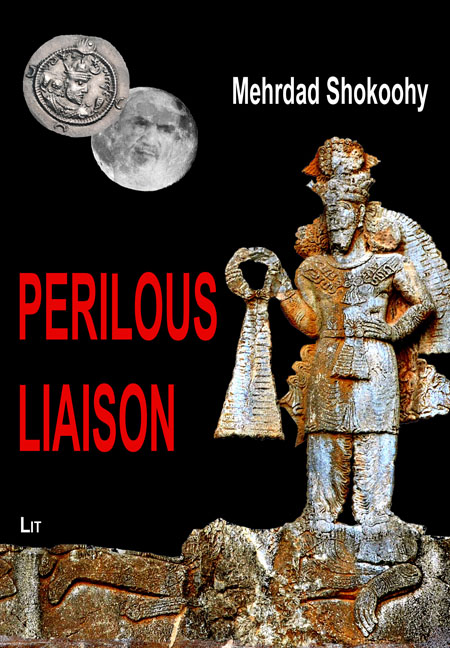
Islam may not have emerged according to the received wisdom. There was more to the story. The novel explores the rise of Islam through the vehicle of a set of fictional documents found in an excavation, their texts based on historical sources. The story follows the disintegration of the Sasanian Empire of Persia in the seventh century and the role of Mazdak, a revolutionary Zoroastrian priest who broke rank and proposed the concept of equality for all. His mass following created a social upheaval, resented by the nobility and the Zoroastrian clergy, leading to the brutal murder of Mazdak and his principal followers, but the movement survived.
As the novel unfolds it becomes apparent that the fictional documents are from surviving Mazdakites who left for Syria and Arabia. We observe their probable hand in the birth and rise of Islam and its eventual takeover of Iran.
The historical theme is interwoven with the lives of people entangled in the events of the 1970s: the disintegration of the power of the last Shah, the return of Khomeini and the establishment of the Islamic Republic. Pre-revolution Iranian society is dissected, attempting a multi-layered picture of Tehran in the late 1970s.
Professor Mehrdad Shokoohy is an architect specialising in the field of archaeology. His scholarly work is published in numerous academic books and articles. He is the author of plays and fiction including The Garden of Mithra (LIT 2025).